
Island hopping in the Galapagos is one of those travel experiences that will probably stick with you for a long time. With its blend of wild landscapes, bizarre creatures, and unspoiled beaches, the Galapagos feels like a nature lover’s dream come true. Picking the right itinerary is pretty important if you want to make the most of your time and get the trip you’re really after. I’m sharing my honest tips and some things I learned while planning, along with a look at what you can expect from different route choices.
Why Island Hopping in the Galapagos is Worth Checking Out
Most people hear about Galapagos cruises, but island hopping is a flexible alternative that lets you set your own pace. Rather than sleeping on a boat the whole time, you stay at hotels on main islands and travel between them by ferry or small plane. Personally, I like this option for a few reasons: you get more time to explore local towns, try different food spots, and even relax on your own schedule after a big day of wildlife tours.
Island hopping also works better if you aren’t a fan of spending nights on rocking boats or want to keep some flexibility in your plans. It’s grown more popular over the last few years, and more local tour companies now offer guided day trips and activities designed for this style of travel. For travelers looking for a closer connection with island communities, this approach gives a unique window into local life. Spending an evening talking to residents or sampling food at a corner café often reveals even more about the culture than you might expect.
Understanding the Galapagos Islands: A Quick Overview
The Galapagos is made up of 13 main islands and a handful of smaller ones, but you’ll notice most itineraries focus on just a few key spots. The four central, inhabited islands—Santa Cruz, San Cristóbal, Isabela, and Floreana—are your main jumping-off points. Each has its own unique vibe and activities, so mapping out where you want to go can really shape your experience.
- Santa Cruz: Home to Puerto Ayora (the islands’ biggest town), great for seeing giant tortoises and checking out the Charles Darwin Research Station.
- Isabela: Laid back and wild, famous for its lava fields, whitesand beaches, and great snorkeling. The town of Puerto Villamil is where most visitors stay, so shops, bike rentals, and guides are conveniently within reach.
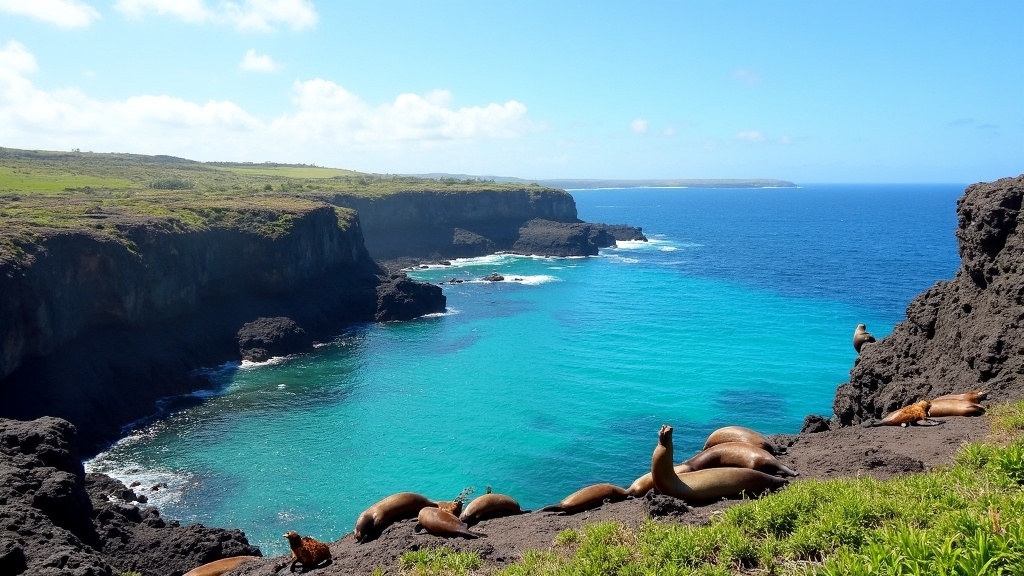
- San Cristóbal: Chill atmosphere with lots of sea lions, unique highland hikes, and boat tours to places like Kicker Rock. You’ll also stumble upon great beaches right outside town, often dotted with sleeping sea lions in the sun.
- Floreana: Sleepiest of the four, with untouched wildlife and interesting human history. With fewer visitors, it’s the go-to for travelers after solitude and prime nature encounters.
Picking Your Ideal Itinerary: What to Consider
How you piece together your Galapagos adventure depends on a few factors, like your travel style, budget, must-see wildlife, and how much time you’ve got. Here are some things worth thinking about before locking in your plans:
- Trip Length: Most island hopping itineraries run from 4 to 8 days, but you can stretch it out or keep it short. A week is a sweet spot for seeing a couple islands without feeling rushed while maximizing wildlife sightings.
- Wildlife Goals: If you’re hoping for bluefooted boobies, marine iguanas, or certain sea turtles, check which islands they’re easiest to spot on. Each island is popular for something different, so make sure to plan with your mustsees in mind.
- Activity Level: The Galapagos has everything from easy beach strolls to tougher volcano hikes and guided snorkeling. Think about how active you want your days to be and plan accordingly if you’d like more downtime or adrenaline activities.
- Budget: Ferries, short flights, and day tours all add up, so map out your mustdos and see how they fit with your wallet. You can mix in some variety by choosing both free and paid activities.
Some travelers also plan around photography or special interests like birdwatching or diving. Research in advance where your top animals or plants are most likely to be found to avoid missing them.
Sample Routes that Work for Most Travelers
When I was planning my island hopping adventure, I looked at a bunch of different routes. Here are a few simple examples to give you an idea:
- Classic 5Day Itinerary
• Day 12: Santa Cruz. Explore Puerto Ayora, visit tortoise reserves, and stroll Charles Darwin Station.
• Day 34: Isabela. Hit Las Tintoreras for great wildlife and try snorkeling at Concha de Perla.
• Day 5: Back to Santa Cruz for your flight out or a last stroll through town. - AdventureFocused 7Day Route
• Day 12: San Cristóbal. Kayak near sea lions and tour Kicker Rock for epic snorkeling.
• Day 3: Quick ferry to Floreana. Snorkel at Devil’s Crown and unwind.
• Day 47: Isabela. Try volcano hiking, bike to the Wall of Tears, and relax by a quiet beach. Return to Santa Cruz for departure.
Some people add day trips to uninhabited islands (like Bartolomé or North Seymour) for bird watching or snorkeling. These are easy to add if you prefer to base yourself mostly in one spot and branch out. With more days, an 8 or 10 day itinerary can let you split time between all four main islands and include two or three day excursions. This way, you really make the most of diverse landscapes, habitats, and wildlife throughout the trip. Many visitors also work in hiking and mountain biking routes for even more variety.
Things to Watch Out for When Planning Your Itinerary
Galapagos logistics are a little different than most trips. Here are some common bumps in the road you’ll want to avoid:
- InterIsland Transfer Times: Ferries can take 23 hours and sometimes run rough. Seasickness tablets come in handy. Check schedules carefully and book ahead in peak season so you don’t get caught without a spot.
- Tour Availability: Many tours limit group numbers for wildlife protection. Book popular snorkeling, diving, or hiking trips before you arrive if it’s high on your list, especially during busy seasons.
- National Park Rules: Most islands require a certified guide for access. Independent exploration is rare, so expect to join tours for the big sights. Double check rules in advance for the most seamless experience.
- Luggage Restrictions: If you plan to hop by small plane, keep your main bag light. Carryon sizes are strictly enforced, so pack efficiently and leave extra weight behind if possible.
Ferry Rides & Transfers
Getting around the islands on ferries was probably the biggest surprise for me. They’re not luxury liners; they’re quick, bumpy speedboats with minimal services. Morning rides are often smoother if you’re prone to seasickness. I also packed snacks and water, since the crossing can take longer than expected if there’s rough weather. Ferry seats fill up especially fast around holidays, so checking the schedule and locking in tickets is worthwhile, too.
Booking Activities in Advance
Day tours for highlights like Los Tuneles (on Isabela) or Kicker Rock can book out during holidays or busy seasons. If there’s something you’re dying to do, grabbing a slot a few weeks ahead gives you a better shot. However, you can still find local guides for some excursions by asking around in person, especially during slower months.
Park Fees and Entry Requirements
Every visitor has to pay a national park entry fee upon arrival, and some islands or activities might have smaller, extra charges. Have a bit of cash handy, since not every port accepts cards. Entrance fees help fund conservation, so make sure to keep your payment receipts for inspection as you change islands.
Don’t forget to check health and safety rules before travel. Requirements sometimes change, so check for updates prior to your departure date.
Cool Features of Island Hopping That Make It Worth Considering
- More Freedom to Explore Local Life: Stay in real Galapagos towns, eat at local spots, and see how people live day to day. It’s a nice change from boatbased itineraries and you’ll meet folks from many places.
- Budget Control: Pick your own hotels and meals, save by using public ferries, or splurge where it counts for you. Mix and match according to what matters most to you and your travel companions.
- Flexible Schedules: Change plans if the weather switches up, or add in a lastminute snorkel trip you heard about from other travelers. This adaptability makes for a truly personalized experience.
- Access to More Beaches: Hop on a bike or walk to lots of free to access beaches where you can snorkel, swim, or take it slow. Some of the most eye catching coastal panoramas are steps from your guesthouse.
Answers to Popular Questions About Island Hopping in the Galapagos
Is island hopping right for families?
Yes, as long as you don’t mind moving around a little and the kids are okay with boat rides. It can be a more laid back way to travel with children than being on a cruise, and you can easily build downtime into your plans. Plus, with parks and shallow beaches, there’s space to roam safely.
Do you need to book everything in advance?
It really helps in high season. Hotels, ferries, and popular tours fill up midJune through August and December to January. At other times, there’s usually more flexibility, but I’d still book ferries and mustdo excursions ahead of time. Even in quieter months, booking accommodations a day or two in advance gives extra peace of mind.
Can solo travelers do island hopping?
Definitely. Lots of other solo travelers take this approach, and it’s usually easy to meet people on group tours. Hostels and guesthouses can be very social if you want to connect with other travelers. Group outings create natural connections on hikes, boat rides, and wildlife watching tours.
What’s the best time of year to visit?
The Galapagos is awesome year round. JuneDecember is cooler with more wildlife activity, while JanuaryMay is warmer and great for swimming. Both seasons have something special, so you can’t really go wrong. Each part of the year brings unique moments: baby sea lions in spring, nesting birds in fall, and crystalclear snorkeling in summer.
Simple Packing Tips for a Smooth Island Hopping Trip
- Bring a lightweight, packable duffel or backpack for ferries and day trips.
- Don’t forget a dry bag, which is super useful for boat landings and wet gear on excursions.
- Good reefsafe sunscreen and a wide brim hat. The sun is intense, even on cloudy days.
- Waterproof sandals and sturdy walking shoes for trails and rocky terrain.
- Reusable water bottle. Tap water isn’t drinkable, but shops have refills or bottled options.
- Basic meds like seasickness tablets, bug spray, and a small first aid kit, especially if you have sensitivities.
- Swimsuit, lightweight clothing, layers for cool evenings, and spare socks for walks.
Even if you tend to pack light, it’s worth double checking your necessities before heading out to the smaller islands, since shops stock basics but not much else. I found having a few extra snacks tucked into my bag made long travel days a lot better, too. Sunglasses and a waterproof phone pouch also come in handy more often than you might expect.
Final Thoughts
Choosing the right Galapagos island hopping itinerary makes a huge difference in what you’ll see and how much you enjoy your trip. Think about the pace you want, the wildlife on your wish list, and how much moving around you’re comfortable with. Careful planning really helps you get the most out of the adventure, but staying a little flexible always comes in handy in a place like this. Whether you’re after dramatic volcanic hikes, mellow afternoons by the beach, or a wildlifespotting bonanza, there’s a Galapagos route that fits your vibe perfectly. Explore boldly and enjoy every moment out there among these eye catching islands. Happy travels!